.webp)
RV and Boat Storage: Getting Your Vehicle Ready for Offseason Storage
RV and Boat Storage: Getting Your Vehicle Ready for Offseason Storage
Most people figure they'll just park the RV or boat trailer in the driveway until next season. Then the HOA letter arrives, or a city ordinance turns out to apply, and suddenly the plan needs to change. A dedicated RV storage or boat storage spot prevents that scramble, and it comes with a practical upside: your vehicle is ready to retrieve and go the moment you actually want it.
Why Driveways and Street Parking Often Fall Short
A 30-foot travel trailer is difficult to tuck out of sight, and most HOAs have rules specifically written to address that. City ordinances frequently restrict how long an oversized vehicle can sit on a residential street, and many apartment lease agreements prohibit recreational vehicles and trailers in the lot altogether. Work vans, commercial trailers, and multi-vehicle households run into the same friction. A dedicated off-street parking space at a storage facility resolves the problem and removes the ongoing worry about neighbor complaints or code enforcement notices.
The vehicles that benefit most from dedicated storage include RVs and motorhomes, trailered boats, utility and work trailers, classic cars being kept offseason, and households that simply have more vehicles than driveway space. RV, auto, and boat storage options at A-1 Self Storage are designed to handle exactly these situations, with spaces sized for larger vehicles and straightforward access when you need to retrieve yours.
Preparing Your RV or Boat for Long-Term Storage
Dropping a vehicle into a storage space without any preparation is the most common way to end up with a problem when spring arrives. A bit of work upfront reduces the risk of returning to a flat tire, a dead battery, or a water system that cracked over the winter.
For RVs and Motorhomes
Drain the fresh water and holding tanks completely before storing. Water left in lines can cause real damage if temperatures drop. Disconnect the battery or use a trickle charger to keep it from discharging fully over a long period. Check tire pressure and inflate to the recommended level, since tires lose pressure gradually and sitting on underinflated tires for months can cause flat spots. Cover any roof vents and exterior openings to keep pests from finding a way in, and give the exterior a thorough wash before storage to remove road grime and tree sap that can etch into the finish over time.
For Boats and Trailers
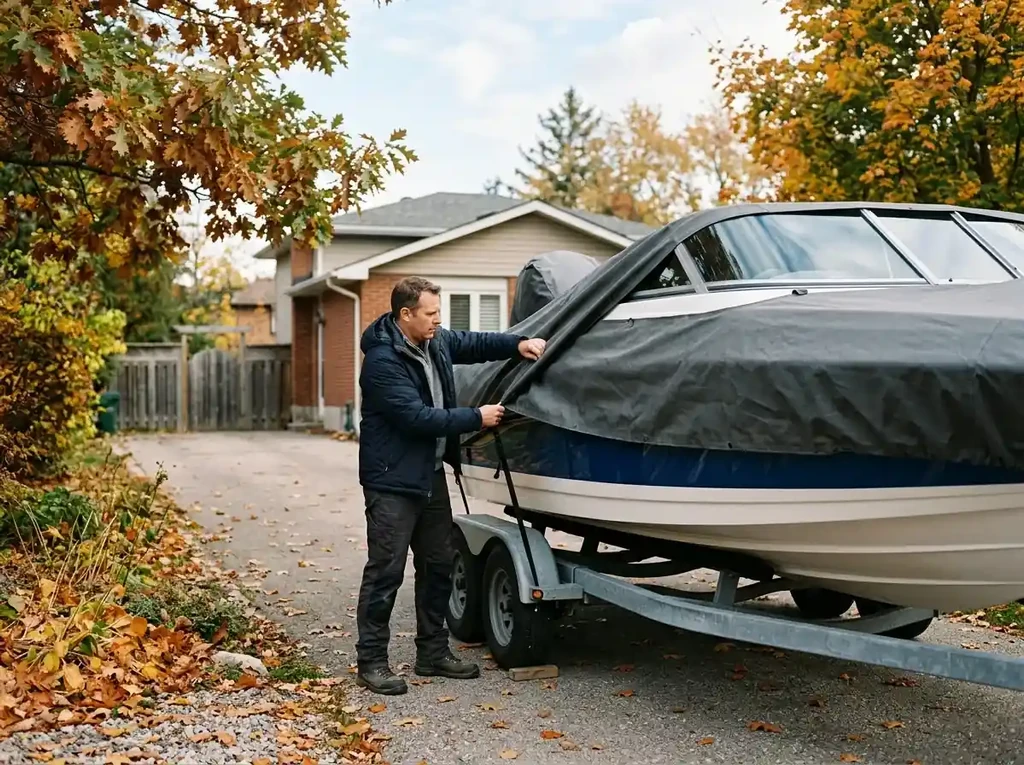
Flush the engine with fresh water if the boat was used in salt water. Change the engine oil before storage rather than after, since used oil contains contaminants that can corrode engine components during a long sit. Check the trailer's wheel bearings and lights before the season ends so you're not troubleshooting them when you're ready to launch. A quality cover goes a long way toward keeping the hull and upholstery in better condition through the offseason.
Getting Your Vehicle Back Out When You're Ready
One of the underrated advantages of a well-organized storage facility is how straightforward retrieval is. Easy drive-in access means you can pull in, do a quick check on your vehicle, hook up the trailer or load the boat, and be on your way without navigating a complicated process. Before the season starts, reverse the prep steps: reconnect the battery, check fluid levels, re-inflate tires if needed, and test lights and signals before hitting the road.
A-1 Self Storage has locations across California to fit a range of storage needs. Browse the full list of A-1 Self Storage locations to find one near you, and check our unit size guide for indoor storage alongside your vehicle parking. Getting ahead of the HOA letter is easier than responding to one, and a reserved spot means your RV or boat is ready when you are.